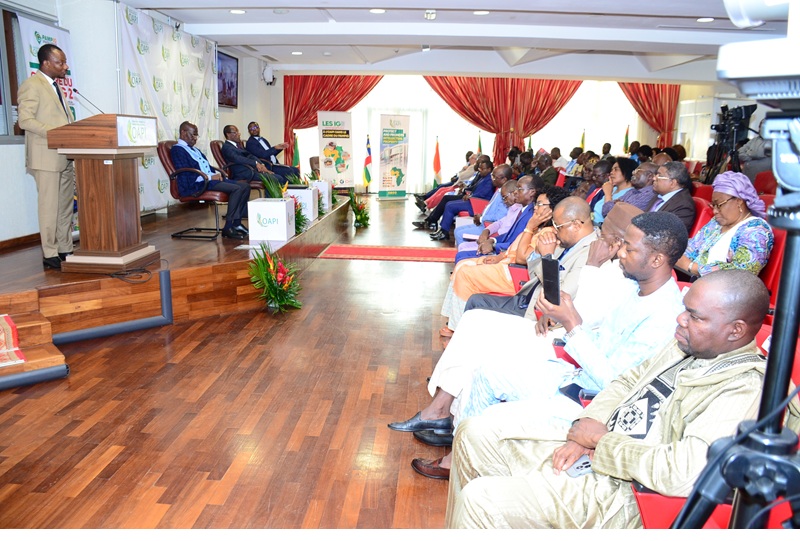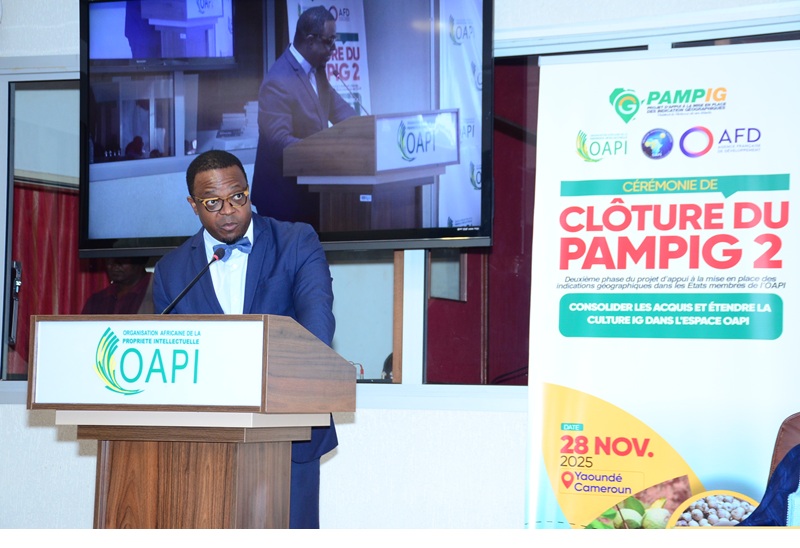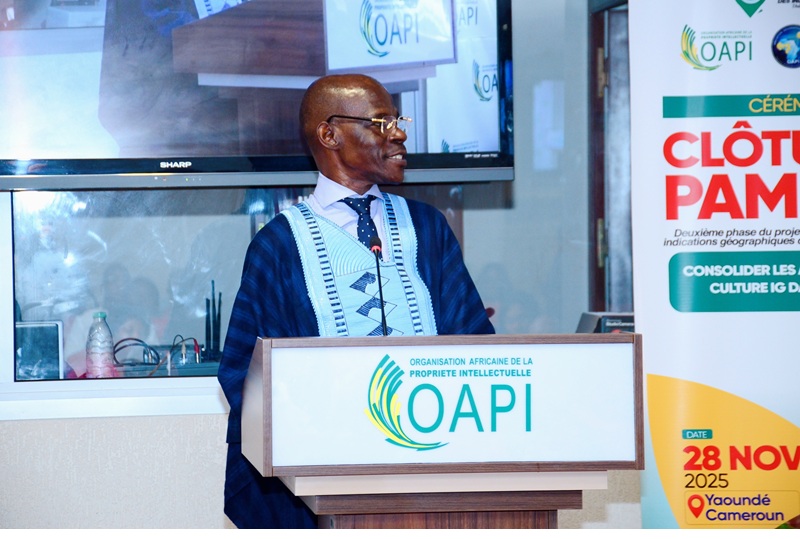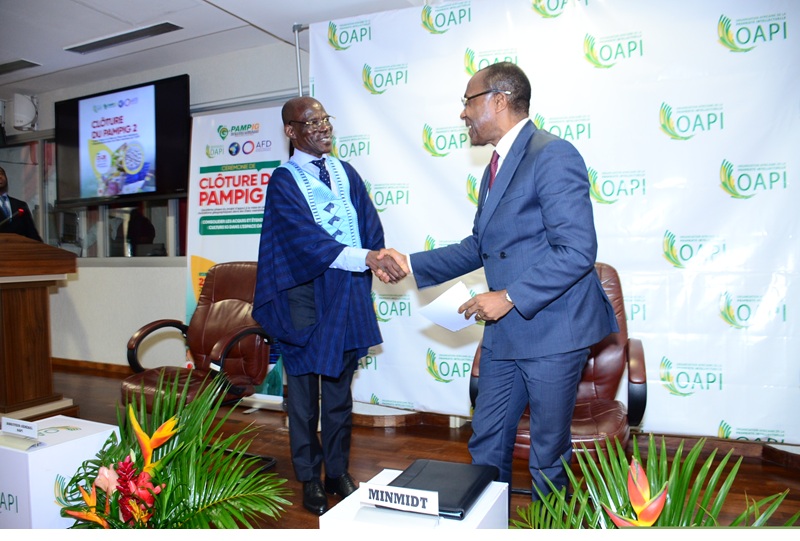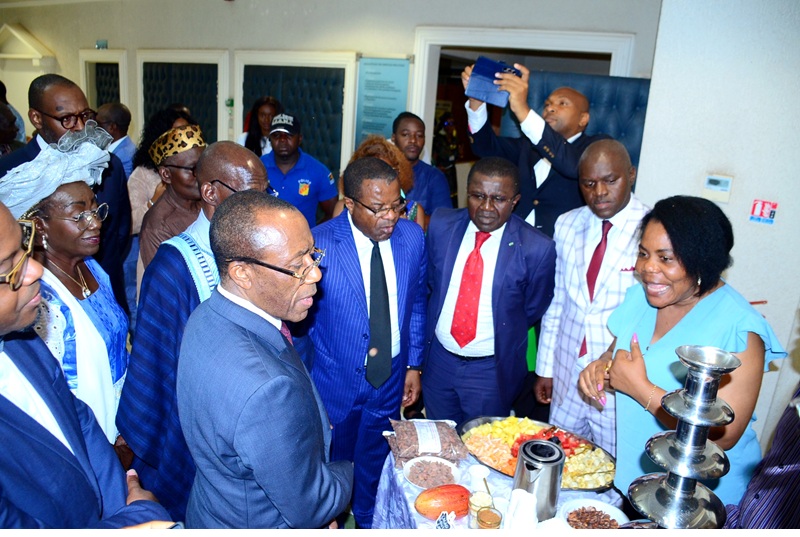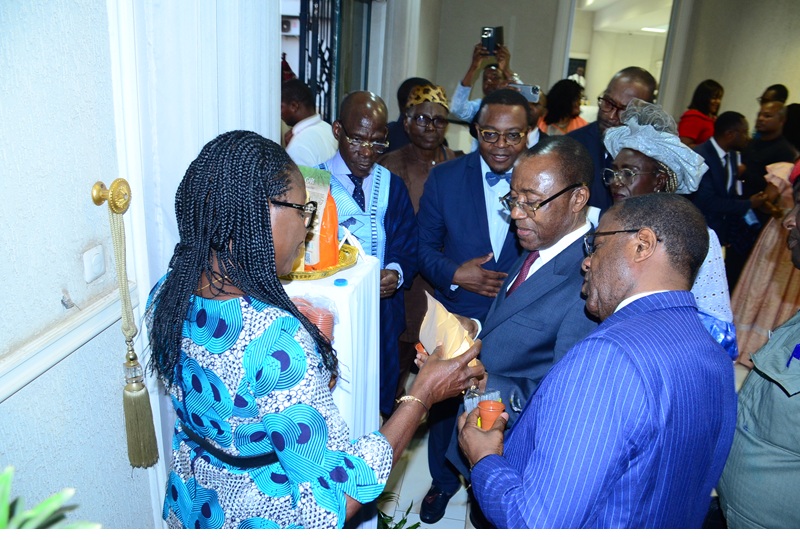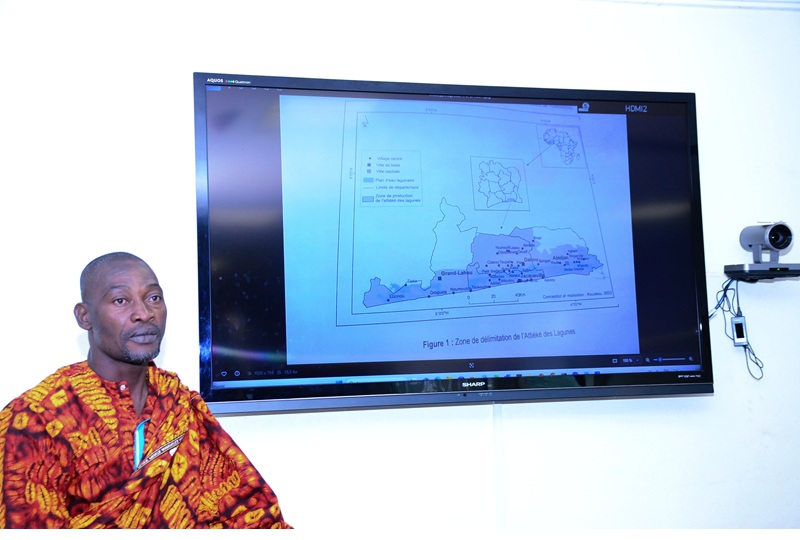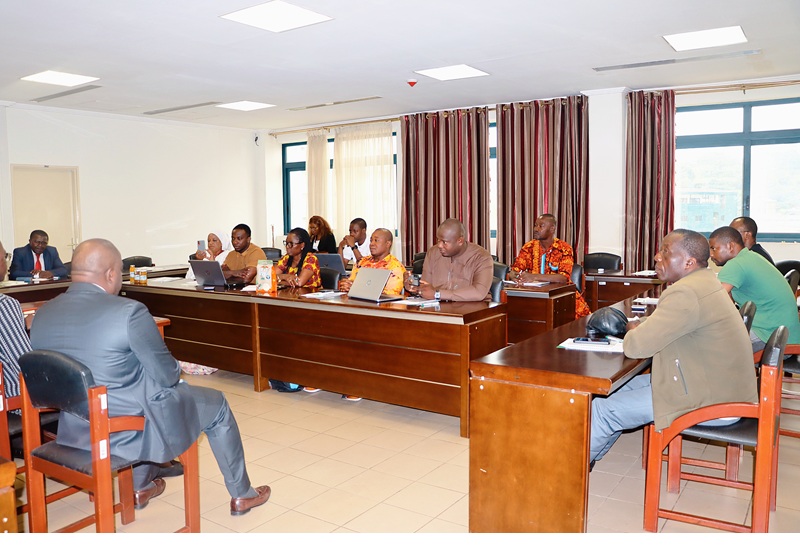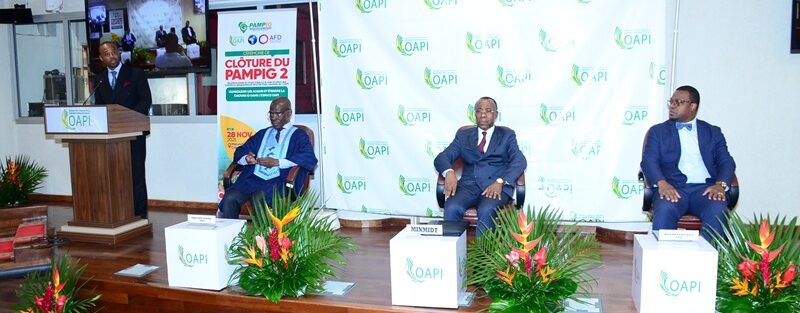
Yaoundé , November 28, 2025 – The second phase of the Project to Support the Implementation of Geographical Indications (PAMPIG) has officially reached its conclusion. A closing ceremony, marked by satisfaction and encouragement, signaled the end of this strategic project, whose objective was to consolidate the achievements of the first phase and foster an institutional climate conducive to the development of Geographical Indications (GIs) within the OAPI region.
A ceremony graced by prominent figures
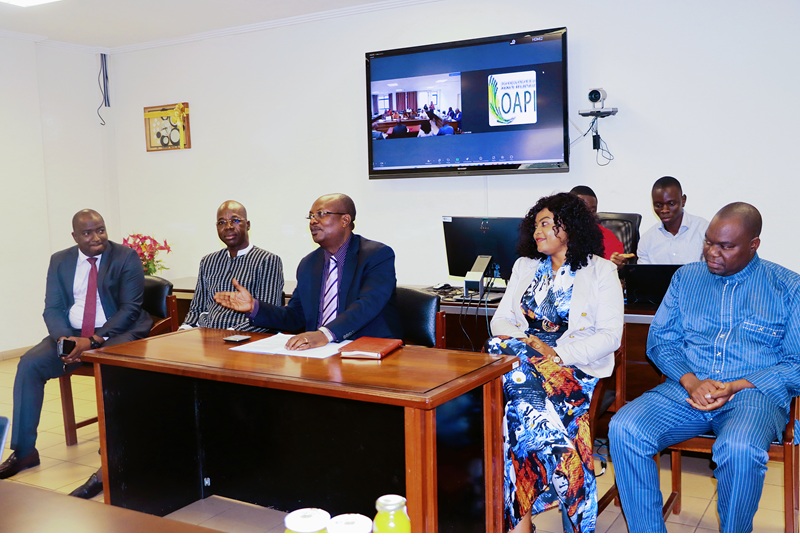
Chaired by Fuh Calistus Gentry , Cameroon's interim Minister of Mines, Industry and Technological Development and OAPI Administrator, the ceremony also saw the participation of the Director General of OAPI, Denis L. Bohoussou , and Sylvestre Mang , Deputy Director General of AFD, a financial partner whose support was crucial to the success of PAMPIG.
Remarkable results: +500% growth in GI
PAMPIG 1 lasted six (6) years, from 2008 to 2014 and PAMPIG 2, eight (8) years, from 2017 to 2025.
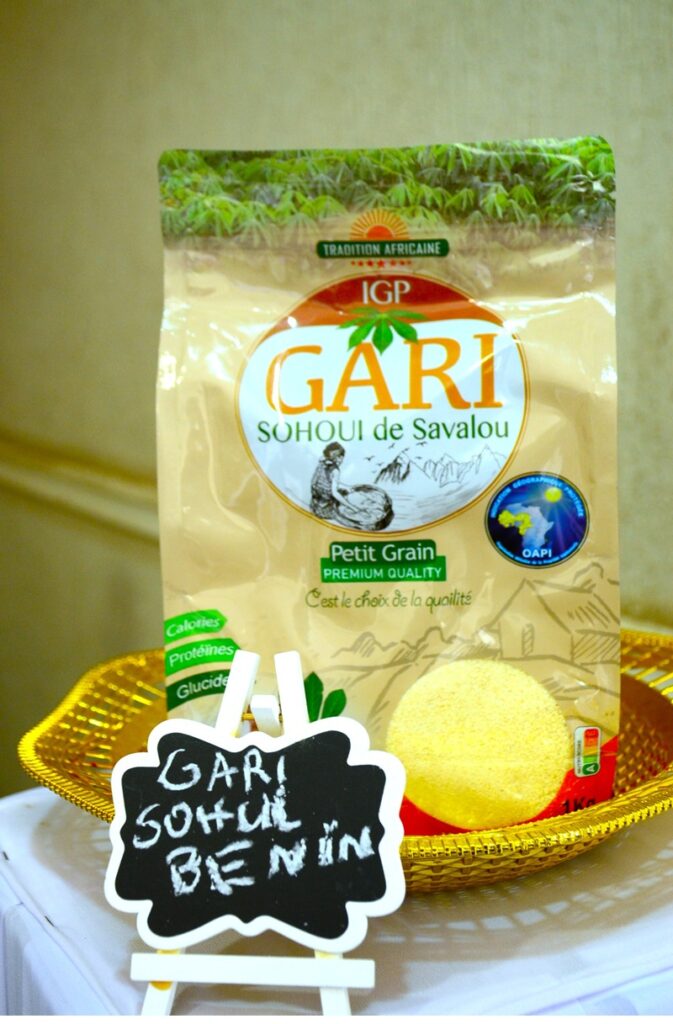
In 14 years, the project has enabled a growth of over 500% in GIs registered within the OAPI region. Several flagship products have been showcased, including:
- Penja pepper (Cameroon)
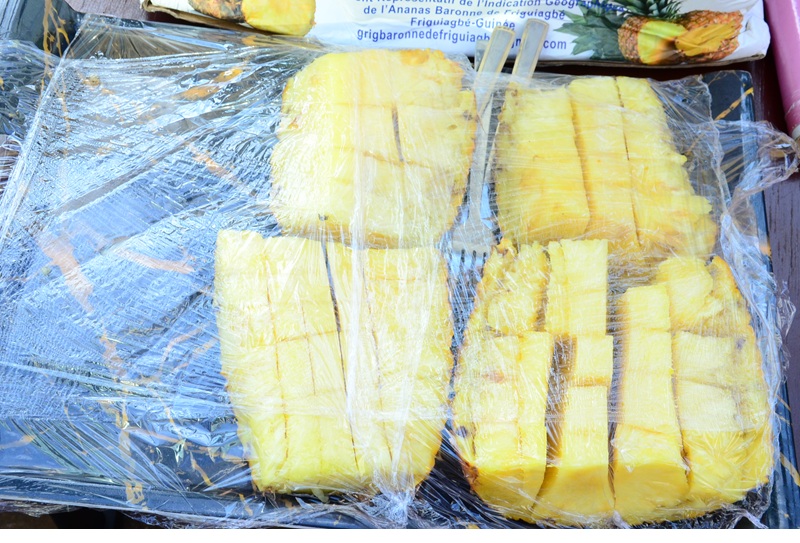
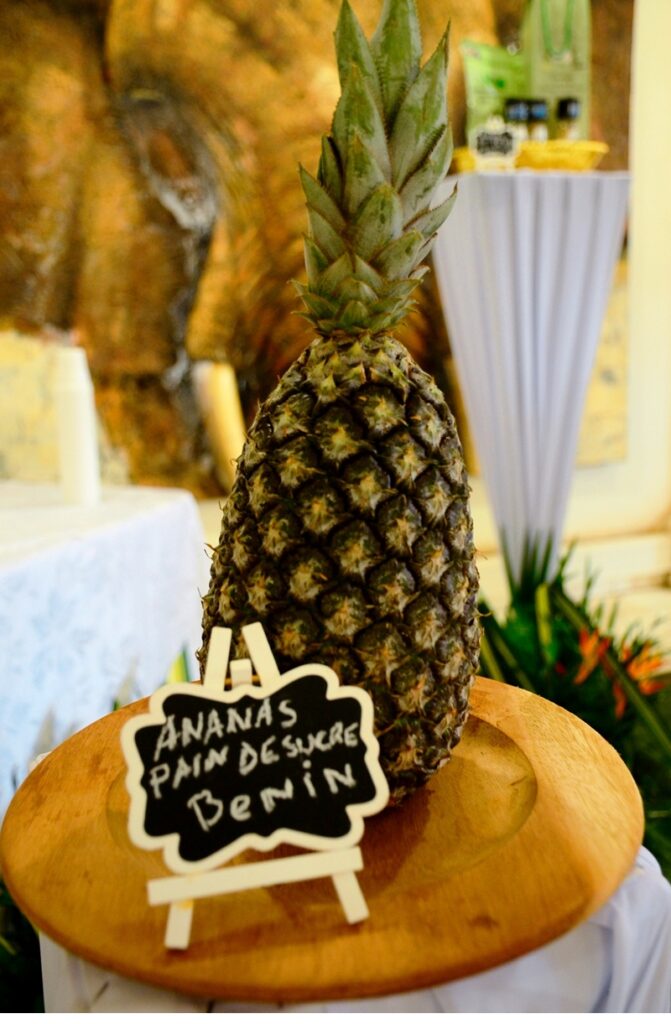
- Sugarloaf pineapple (Benin)
- Baoulé loincloth (Ivory Coast)
- Café Ziama Macenta (Guinea)
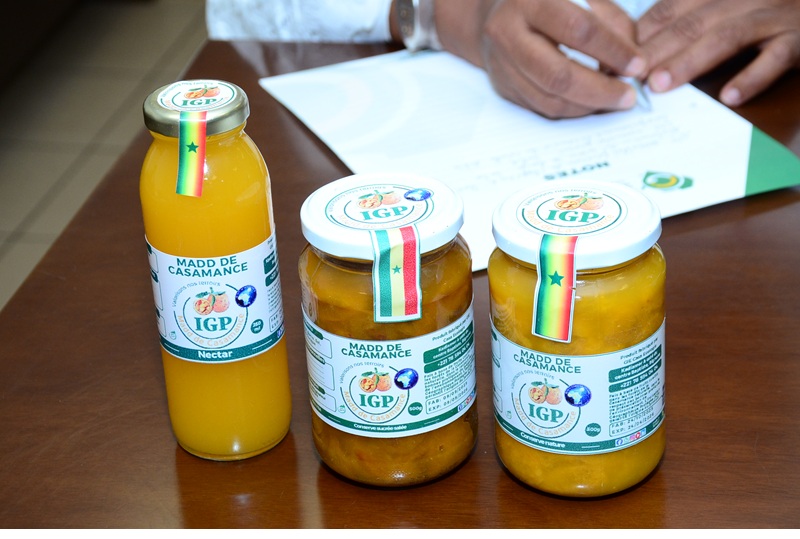
- Madd from Casamance (Senegal)
… and many others.
These GIs are now recognized as strategic tools for positioning, value creation and socio-economic development for producers and countries.
Strengthened collaboration despite persistent challenges
While the implementation of PAMPIG 2 has made it possible to achieve almost 100% of the objectives in terms of support and recognition of products eligible for Protected Geographical Indications (PGI), challenges remain:
- Governance of supply chains
- Control and traceability
- Labeling and the fight against counterfeiting
- Marketing and promotion of labeled products
To ensure the sustainability of these achievements, it is essential that States translate these results into their sectoral public policies, with functional national GI committees capable of guiding and supporting PGI products.
Towards phase 3?
The main stakeholders expressed their desire to continue this collaboration in order to:
✔ Strengthen the competitiveness of African economies
✔ Structuring agricultural and artisanal sectors
✔ Promoting local produce and know-how
For several years, the French Development Agency (AFD) has supported OAPI in this project and although it has come to an end, the AFD remains committed:
“We do not have dedicated resources at this stage for a new phase, but we are fully available to provide technical support for discussions, share achievements and support relevant initiatives in member countries ,” assured Sylvestre Mang , Deputy Director of the AFD Cameroon .
African IGs that rival the big global names
The Director General of OAPI, Denis L. BOHOUSSOU , emphasized:
"Thanks to the support of the AFD, we can now talk about Protected Geographical Indications in Africa in the same way as famous French wines – Champagne , Bordeaux – or even Laguiole cheese and ."
For his part, Fuh Calistus Gentry praised the visible impact of African products:
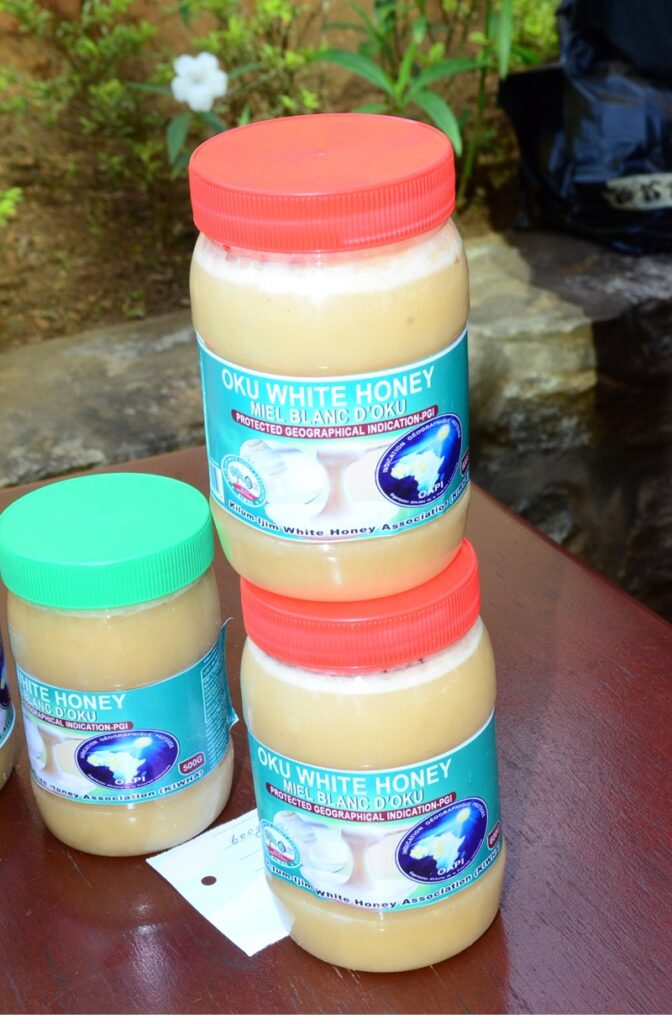
“With products like Penja pepper or Oku honey, we are proud of the global impact of African GIs. We will continue to promote other products such as Cameroonian red cocoa, which has already been introduced.”
In short!
PAMPIG 2 concludes on a positive note, but the journey continues. Geographical Indications (GIs) are more than just labels : they are levers for sustainable development, the promotion of local products, and economic competitiveness for Africa.
See you for phase 3? Time will tell .