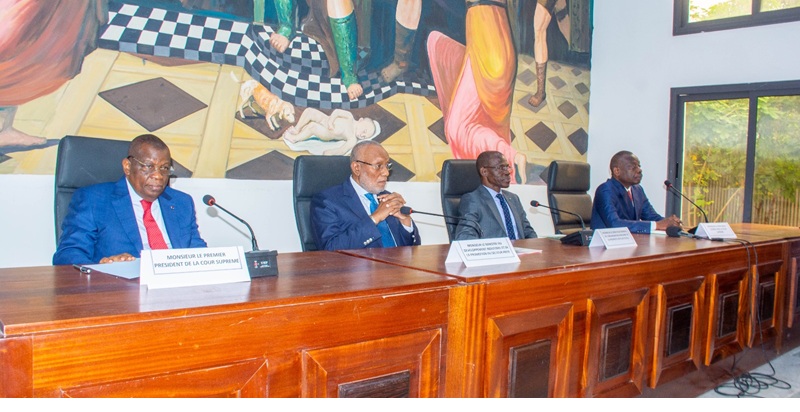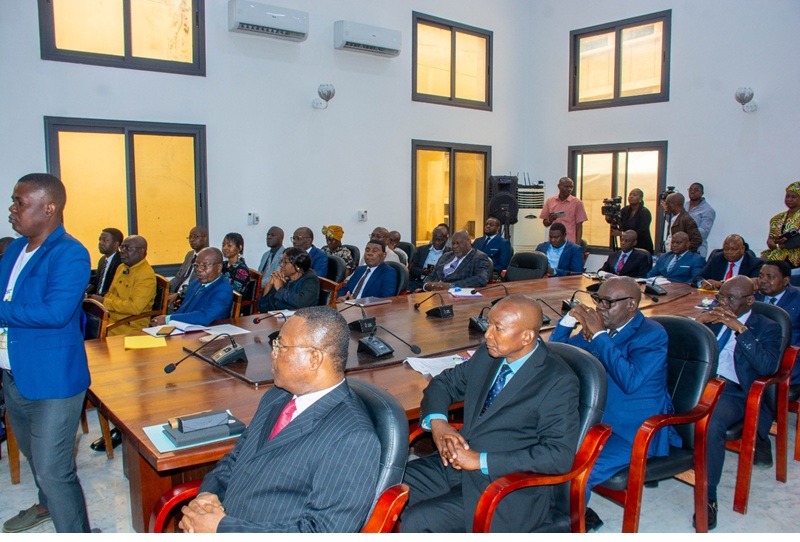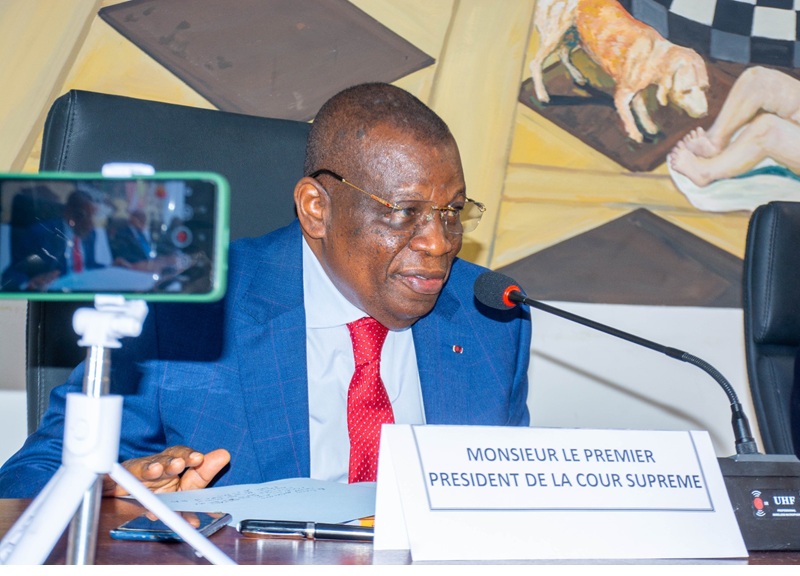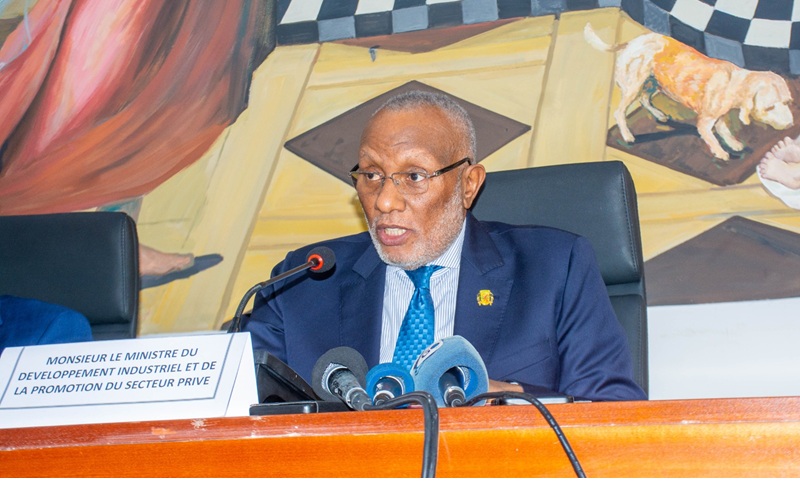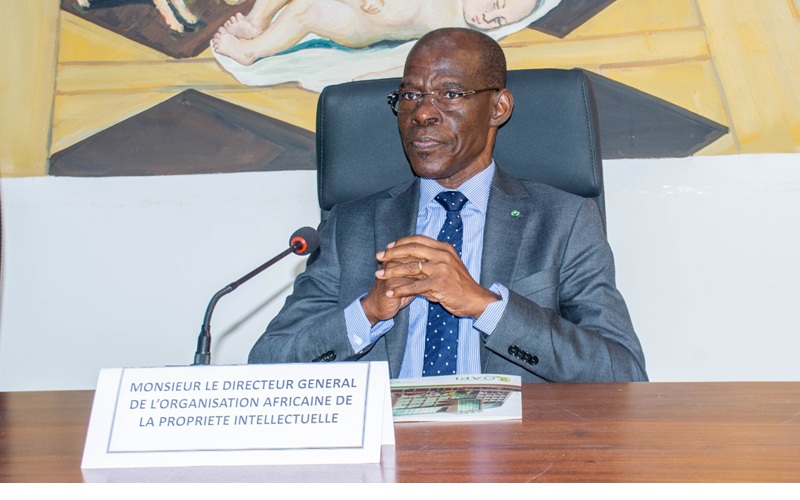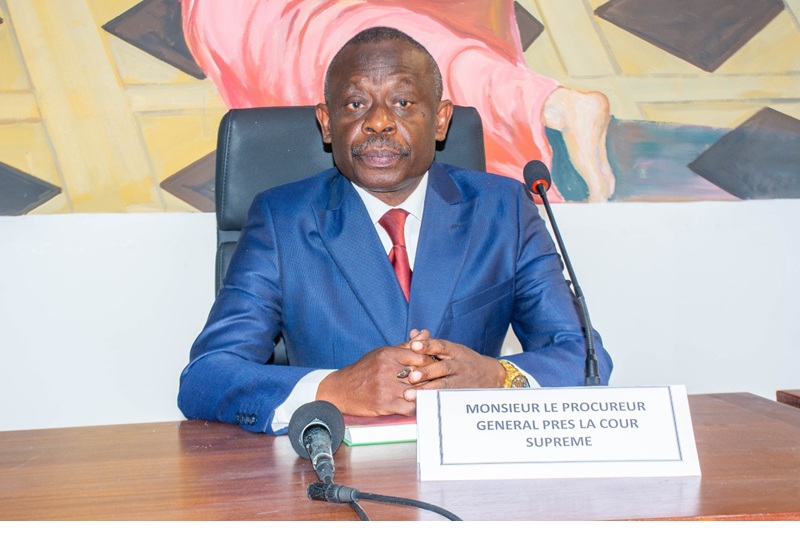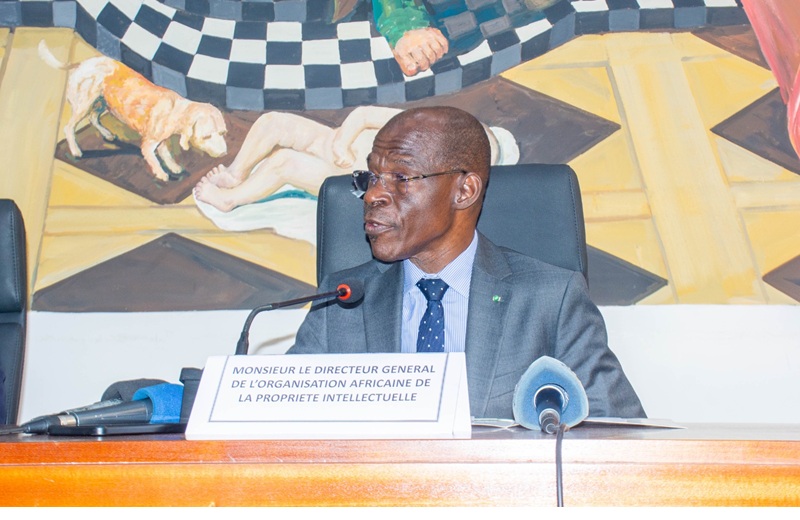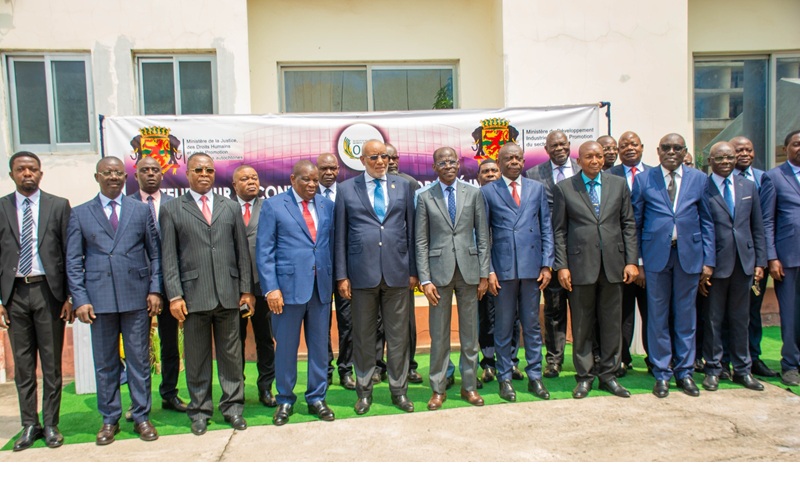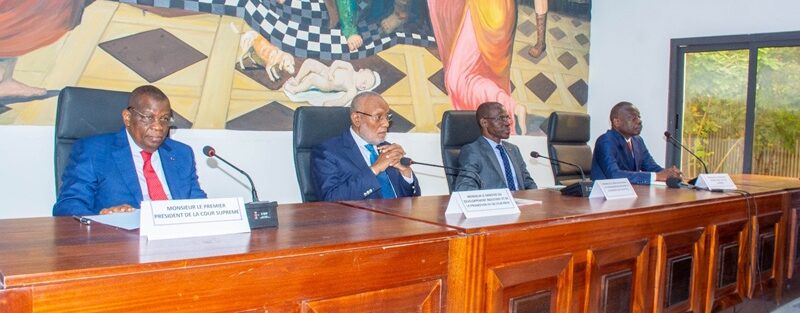
Brazzaville , December 9, 2025 – The African Intellectual Property Organization (OAPI) has launched a strategic capacity-building session for judges of the Supreme Court of Congo. This initiative reflects OAPI's commitment to supporting national courts in improving the enforcement of intellectual property rights (IPR) and promoting innovation in its 17 member states.
A major issue for justice and the economy
The training aims to ensure judicial decisions , the coherence of which is essential to protecting the rights of creators and businesses, combating counterfeiting , and fostering a competitive business environment. In a context marked by the rise of digital technology and artificial intelligence , it is crucial that judges have the necessary tools and knowledge to meet the new legal challenges related to intellectual property (IP) litigation.
A strong commitment from the Congolese authorities
The Director General of OAPI, Denis BOHOUSSOU , welcomed the commitment of the Congolese authorities, in particular the Ministry of Industrial Development and Promotion of the Private Sector , holding the current chairmanship of the OAPI Board of Directors, as well as the Ministry of Justice, for their exemplary mobilization in support of this initiative.
Key themes addressed
Main training areas covered,
- case law to strengthen legal certainty
- Combating counterfeiting and rights infringements
- Impact of digital technology and AI on intellectual property
- Presentation of OAPI tools: the Case Law Database – OAPILEX , the partnership with the African Network of Intellectual Property Magistrates – RAMPI, the Master's program in IP .
OAPI, partner of national judiciaries
This training program illustrates OAPI's ongoing commitment to supporting the national judiciary of each member state in implementing an effective, protective, and innovation-promoting justice system. By strengthening the skills of judicial actors, it also contributes to building a robust legal framework, essential for the economic and technological development of its regional area.