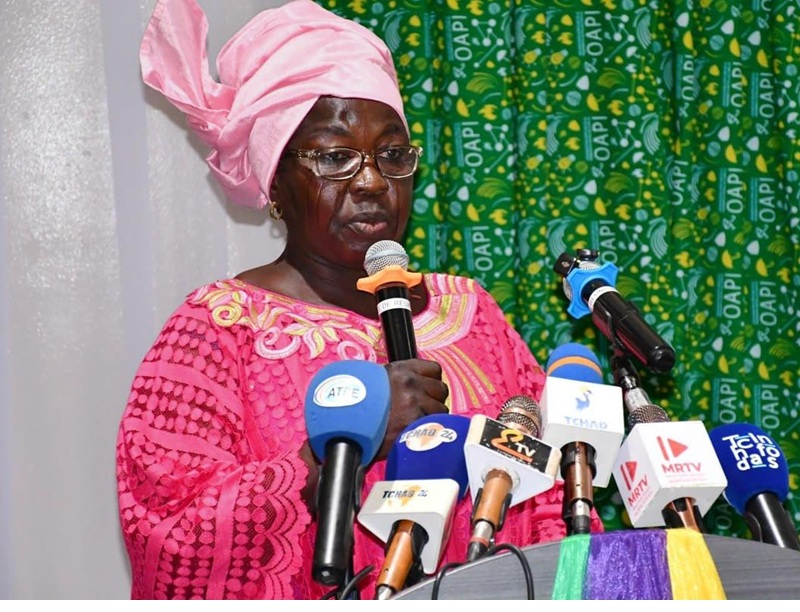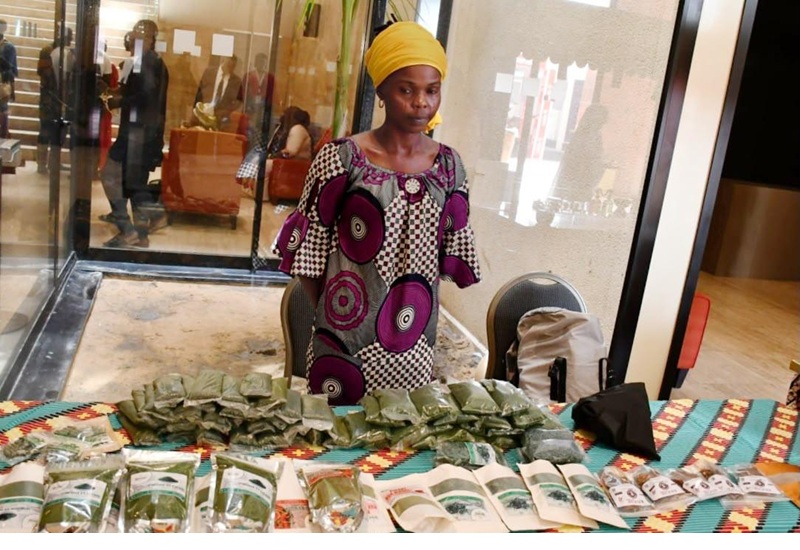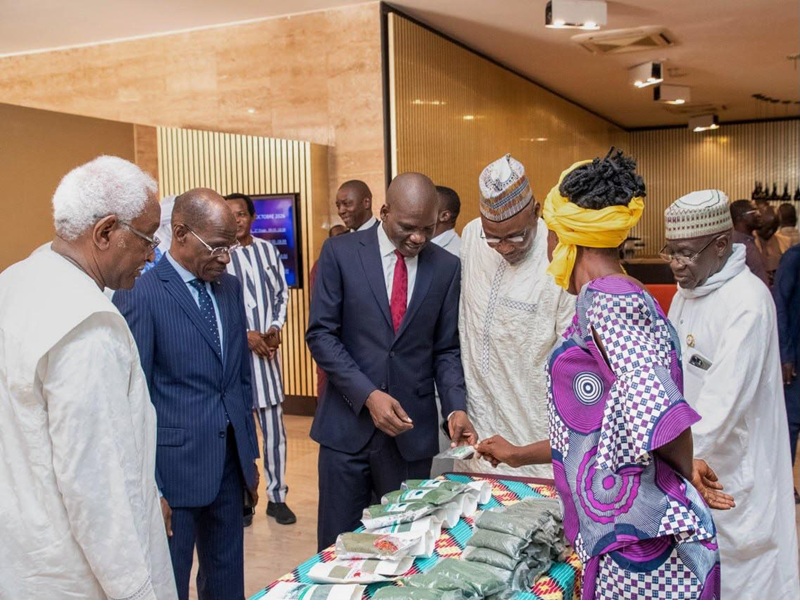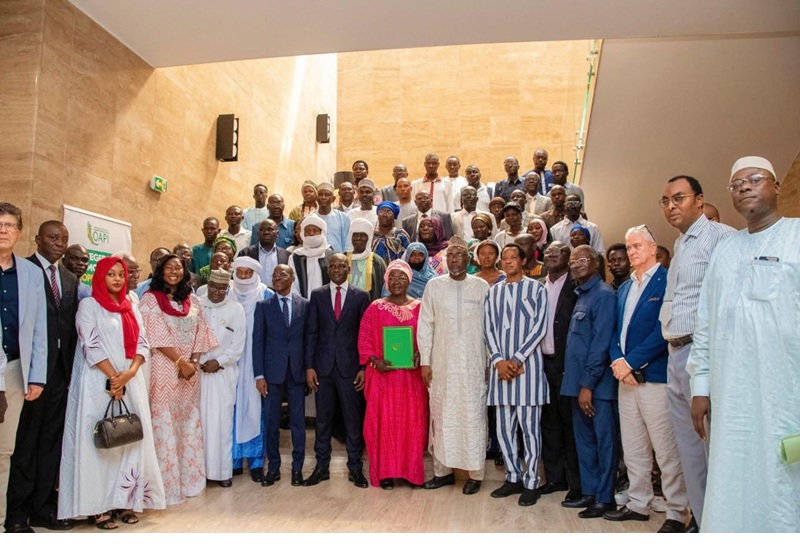
N'Djamena, October 12, 2026 – The Director General of the African Intellectual Property Organization (OAPI), Denis L. BOHOUSSOU , officially handed over the registration certificate for the Protected Geographical Indication (PGI) "DIHE" or Spirulina of Chad, during a solemn ceremony held at the Radisson Blu Hotel in N'Djamena.
The event was chaired by the Minister of Trade and Industry, OAPI Administrator for the Republic of Chad, Dr. Mathieu Guibolo Fanga, in the presence of several members of the Government, representatives of the diplomatic corps, as well as members of the National Technical Monitoring Committee for Geographical Indications (GI) in Chad.
Recognition for an exceptional product
The recognition of DIHE is a historic step for the country. An emblematic product of the oases bordering Lake Chad and the Kanem region, DIHE is a natural spirulina whose reputation rests on unique characteristics linked to its geographical origin and ancestral know-how passed down from generation to generation.
Thanks to its registration as a Protected Geographical Indication, this specific characteristic is now officially recognized and protected throughout the territory of the OAPI member states. This protection makes it possible to distinguish genuine DIHE from other spirulina products on the market and guarantees consumers the authenticity of the product.
A result of support from the AfriPI project
In his address, the Director General of OAPI recalled that this recognition is one of the most remarkable results of the AfriPI project, launched in 2020 with the financial support of the European Union to support quality African products towards high value-added markets.
While spirulina is now produced industrially on a large scale in several regions of the world, DIHE stands out for its natural character, its close link to its terroir of origin and the traditional practices surrounding its harvesting and processing.
The PGI thus strengthens the visibility, credibility and competitiveness of the product on national and international markets.
An opportunity for local producers
Speaking directly to the producers of the DIHE, the Director General commended the efforts made throughout the recognition process, stressing that obtaining a GI is the result of collective commitment, discipline and perseverance.
He recalled that the value of a PGI rests above all on its appropriation by the beneficiaries, in particular through respect for the specifications, the organisation of control mechanisms, the use of appropriate labelling and the defence of the protected name against any usurpation.
The objective is to enable producers to fully benefit from this recognition by accessing new commercial opportunities, improving the value of their production and sustainably strengthening their incomes.
Chad joins the dynamic of Protected Geographical Indications (PGIs) within the OAPI region
With the registration of the DIHE, Chad joins the countries of the OAPI area already committed to promoting their local products through the GI, alongside in particular Benin, Cameroon, Ivory Coast, Guinea, Mali, Niger, Senegal and Togo.
This progress is fully in line with the vision of OAPI, which encourages each member state to have at least two geographical indications in order to stimulate local economic development, preserve national heritage, promote traditional know-how and strengthen the economic empowerment of producing communities.
A renewed commitment from OAPI
OAPI reaffirmed its determination to continue, with national authorities and its technical and financial partners, actions to support the promotion, protection and influence of recognized geographical indications.
Through the recognition of the DIHE, not only is an exceptional product highlighted, but also an entire cultural, economic and social heritage is valued for the benefit of Chadian producers and the sustainable development of the territories.
The DIHE thus becomes the national symbol and that of an Africa which transforms its local resources and traditional know-how into real levers for creating value and prosperity.