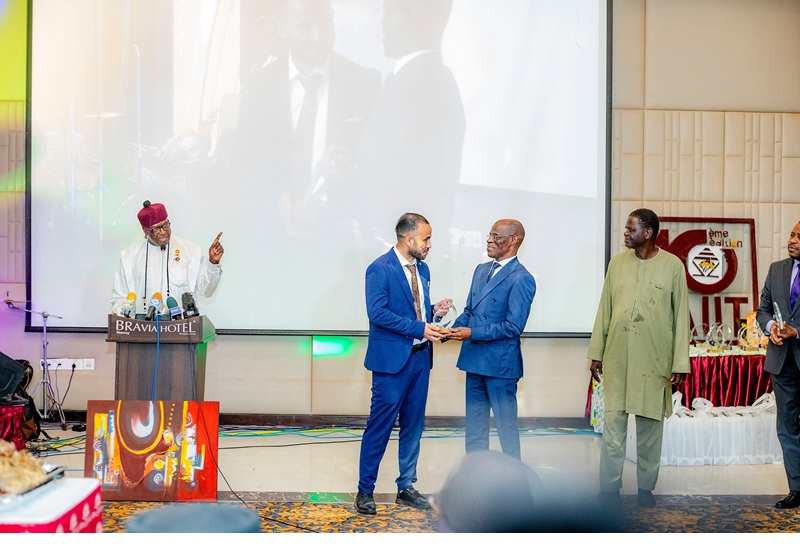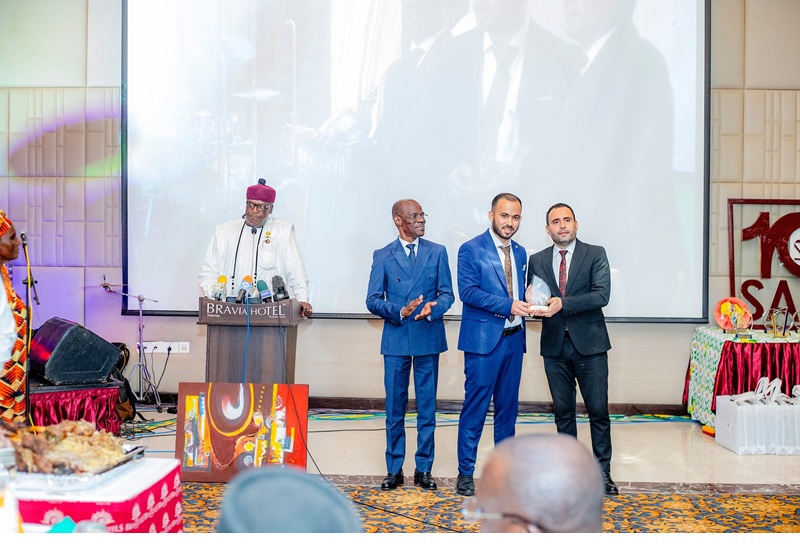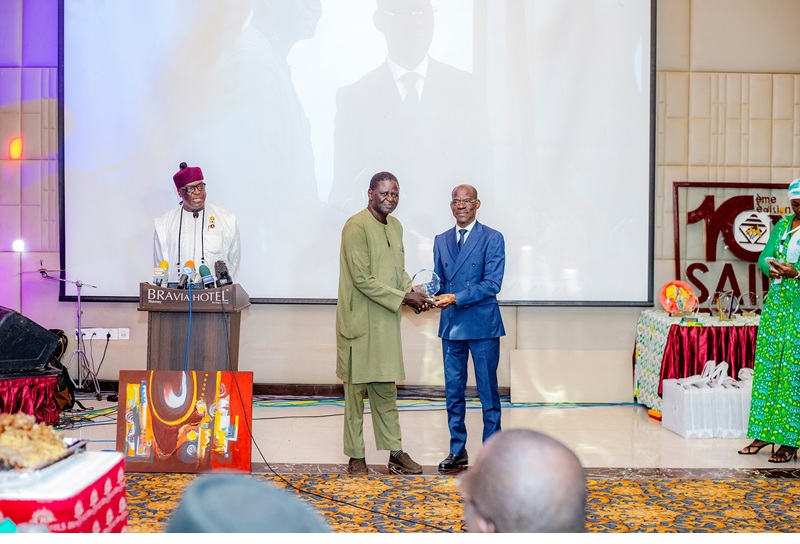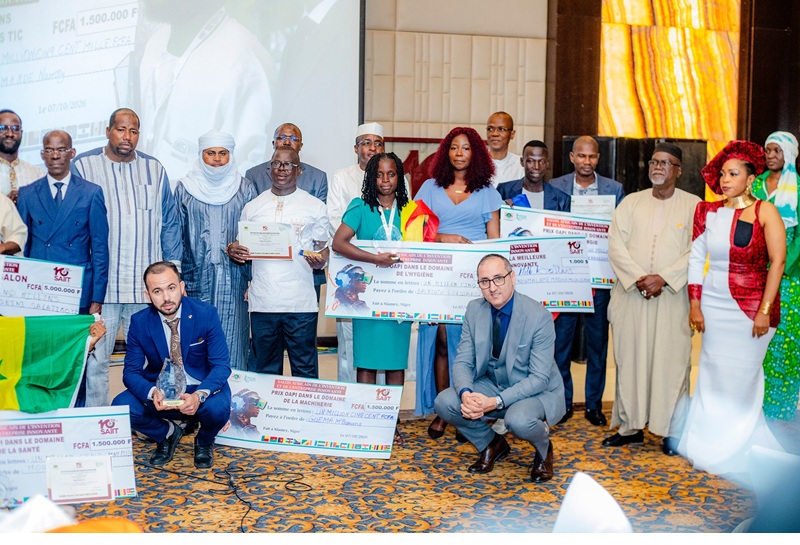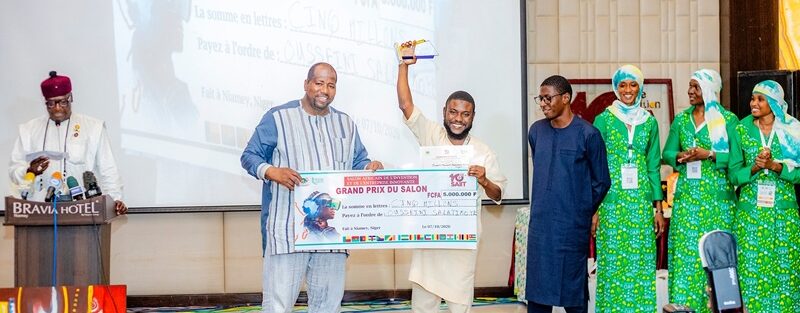
The 10th edition of the African Invention and Innovative Business Fair (SAIIT) concluded on October 7, 2026, in Niamey, Niger, celebrating African creativity and inventive genius. Organized by the African Intellectual Property Organization (OAPI), this continental event recognized inventors and innovative companies whose solutions provide concrete answers to development challenges. Through awards, recognition of talent, and the promotion of intellectual property, this edition reaffirmed the ambition to make innovationa true driver of economic transformation in Africa.
After three days dedicated to showcasing inventions, exchanging ideas, and promoting technological solutions, the 10thSAIIT announced its winners. The closing ceremony was marked by the recognition of inventors and entrepreneurs who, through their creations, contribute to addressing the needs of African populations.
The SAIIT 2026 Laureates' Night: The Award for African Innovative and Entrepreneurial Excellence
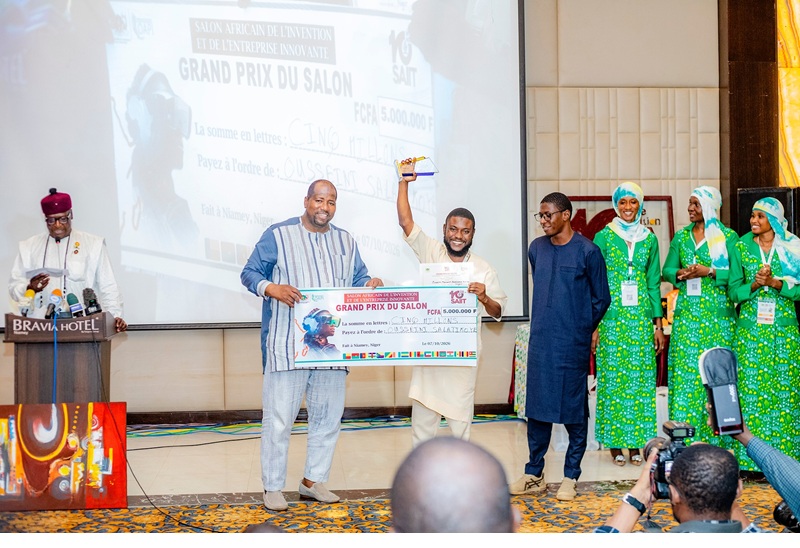
- The Grand Prix of the Salon remains the most prestigious award of this edition. Endowed with five million CFA francs, it was awarded to Nigerien Ousseini Salatikoye Mamane Kabirou, designer of Likita Care, a connected and intelligent device for monitoring vital parameters.
An innovation in the field of health that illustrates the possibilities offered by digital technologies to improve medical monitoring.
Beyond this major distinction, the international jury recognized several inventions in strategic sectors.
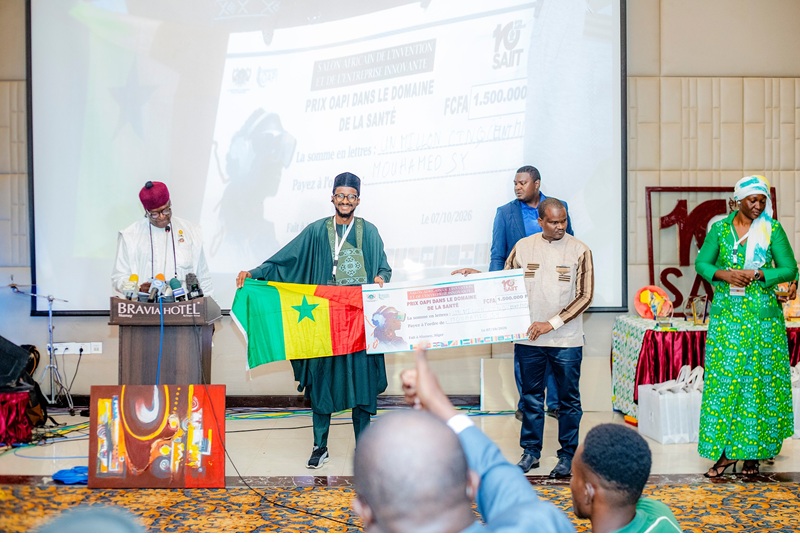
- Still in the field of health, the Senegalese Mouhamed Sy received the OAPI prize for his vaccination bench intended for day-old chicks ;
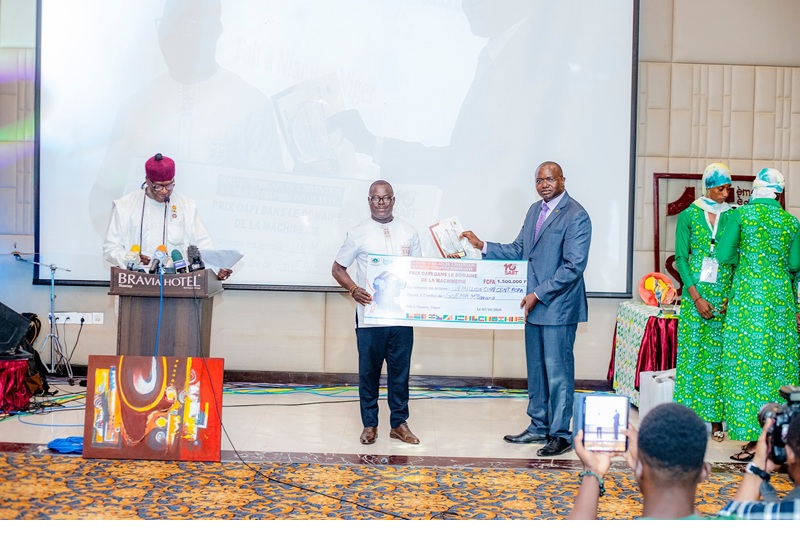
- The OAPI Prize in the field of machinery was awarded to Guema M'Banana, for his harvesting and shelling machines for Egousi pumpkin seeds ;
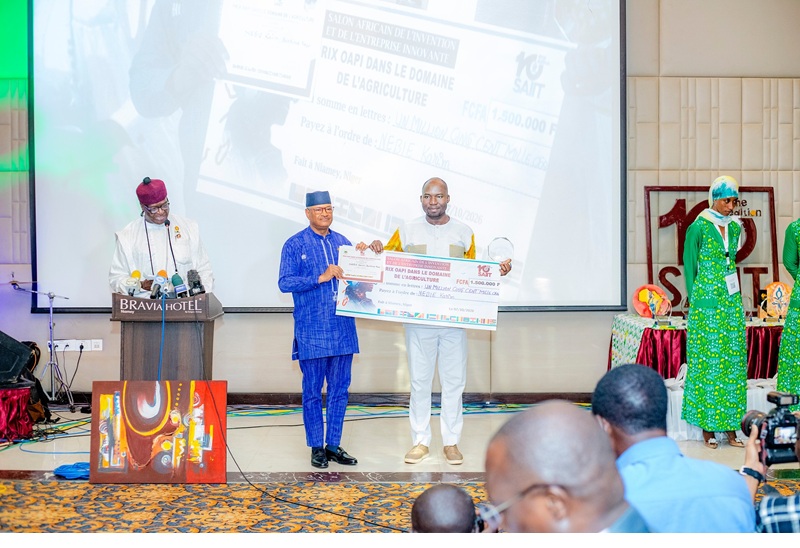
- Karim Nebie from Burkina Faso won the OAPI Prize in the field of agriculture thanks to his innovation on a biological food bait ;
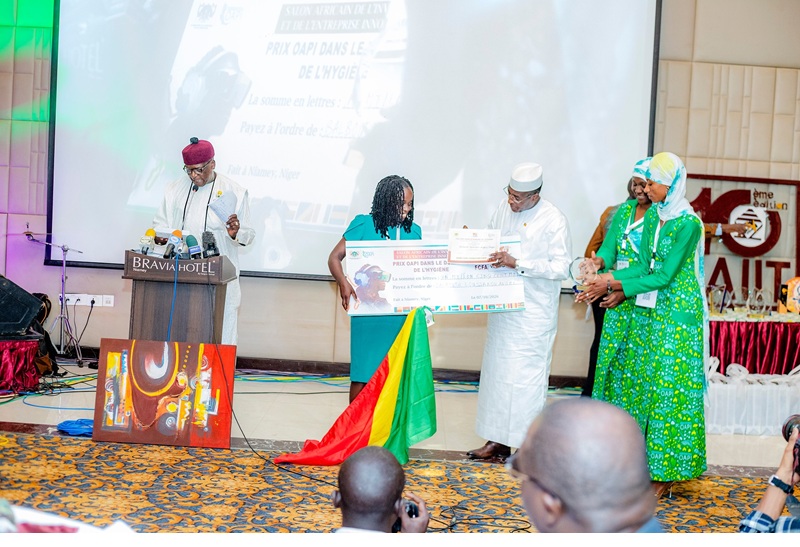
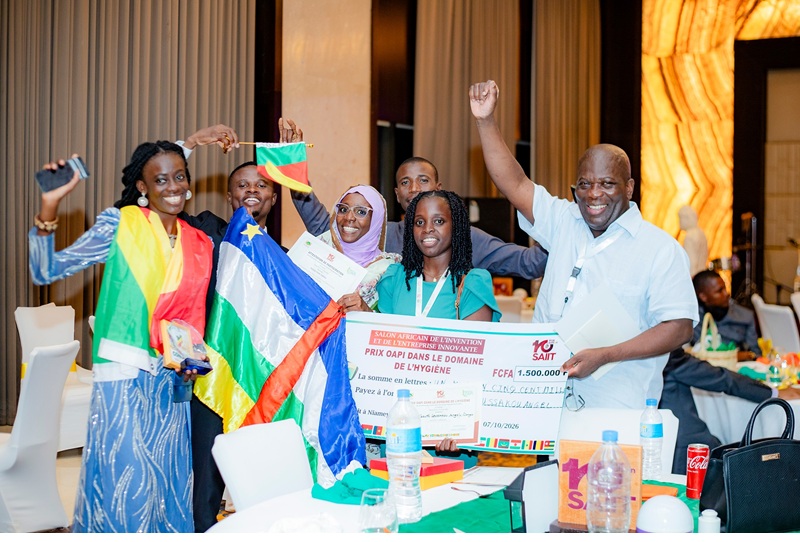
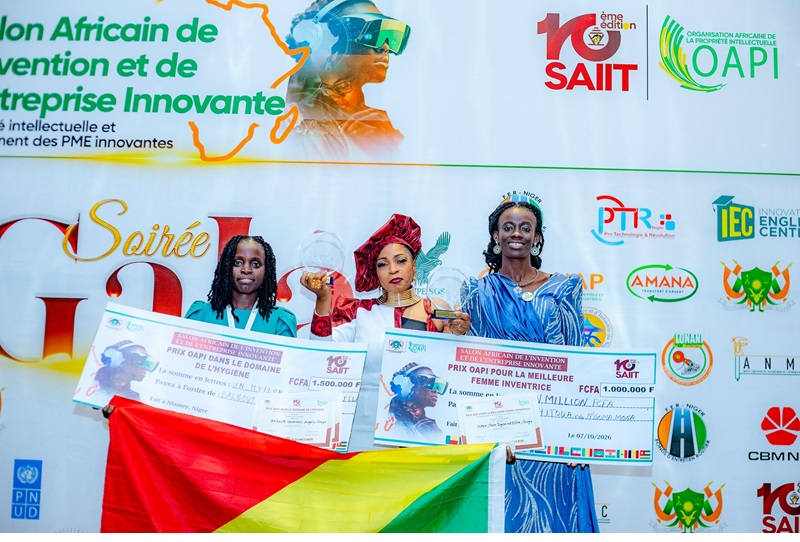
- Congolese Balobuth Loussakou Angely Gred was awarded the OAPI prize in the field of hygiene for her biodegradable therapeutic sanitary napkins and panty liners ;
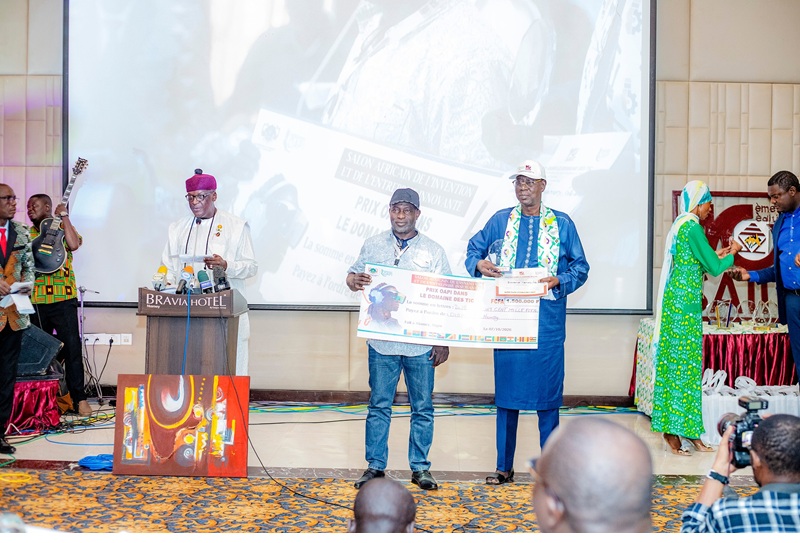
- Information and communication technologies (ICTs) were also in the spotlight with the OAPI prize awarded to Diomande Namory, author of a remote control device using the GSM network ;
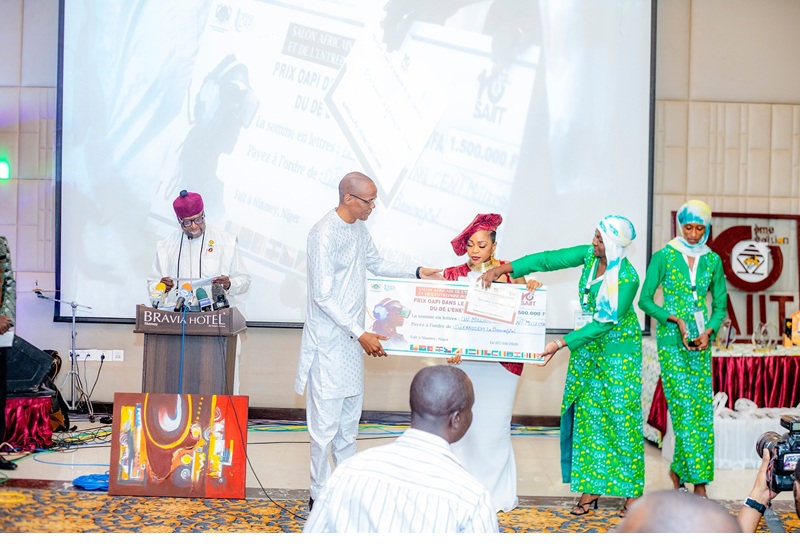
- The OAPI prize In the field of energy, the Chadian Djerassem Le Bemadjiel was awarded for his low power magnetic induction solar cooker.
Innovative entrepreneurship and female creativity also featured prominently in this ranking.
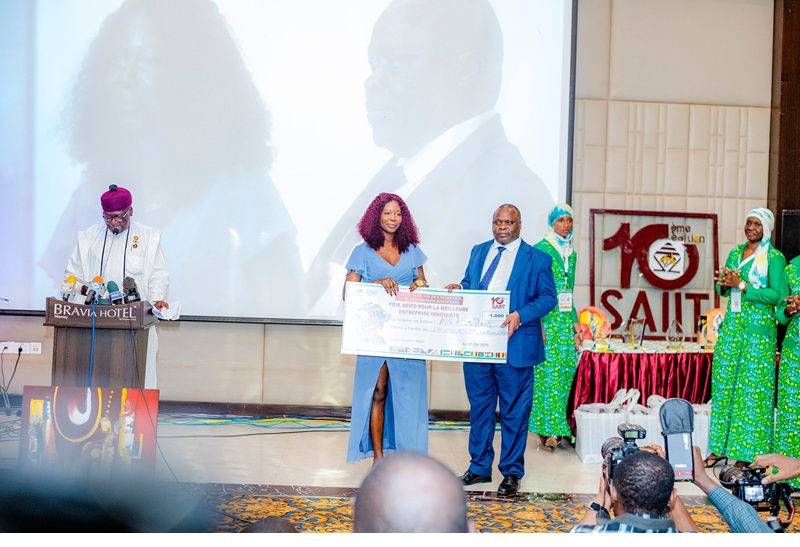
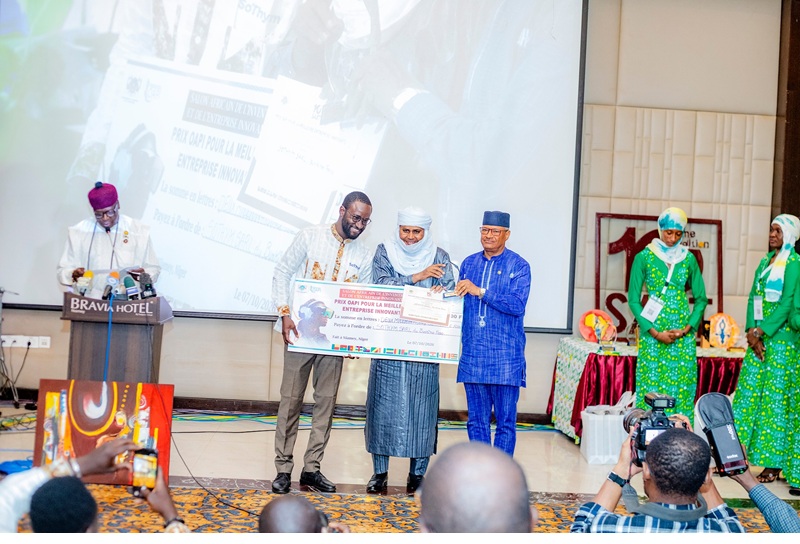
- The Best Innovative Company Awardwas given to SOTHYM SARL, from Burkina Faso, for its semi-automatic biomedical waste incineration system ;
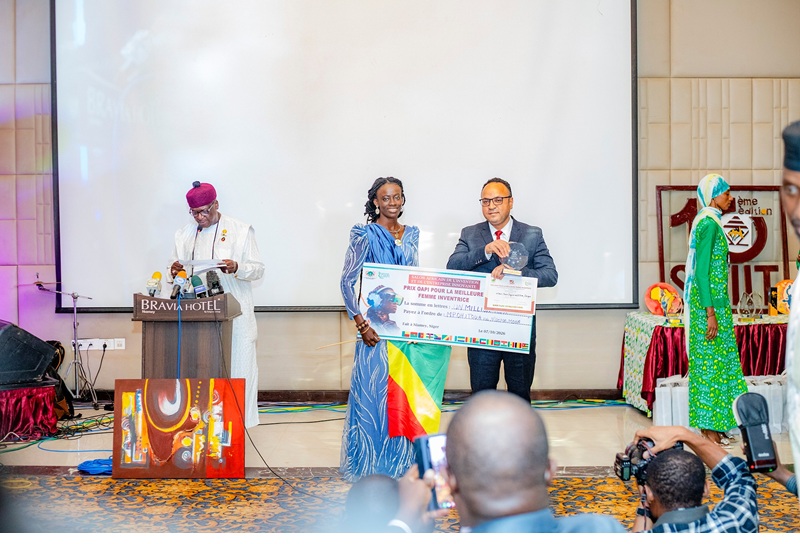
- The prize for best female inventor , meanwhile, was awarded to Mpoh Itoua, born N'Goma-Mona Digne Nedjea, for her biotechnological process for the natural preservation of food.
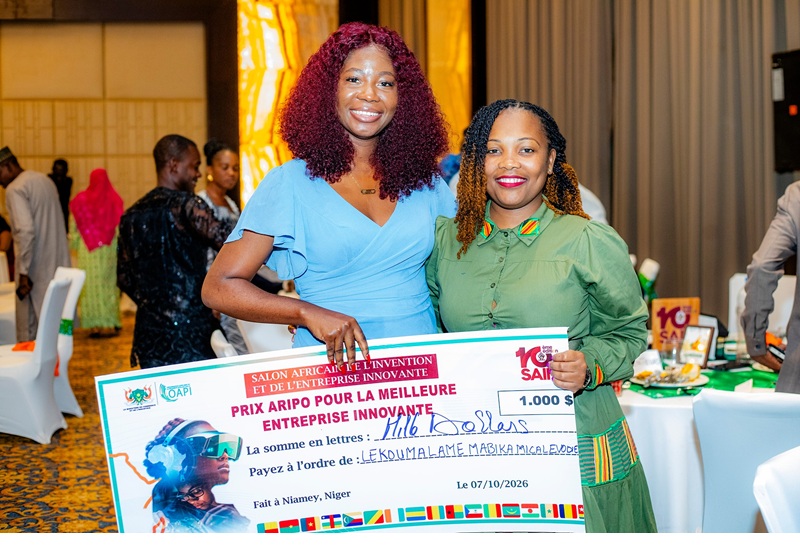
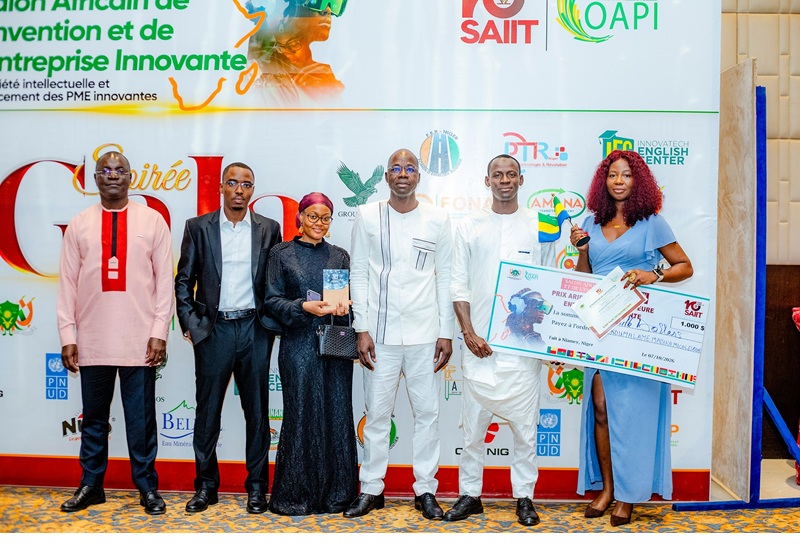
- The ARIPO Prize in the field of education was awarded to Lekoumalame Mabika Mical Evoddie from Gabon , for her innovation Evo Mon Répétiteur Virtuel.
Two special distinctions have been added to this list of achievements.
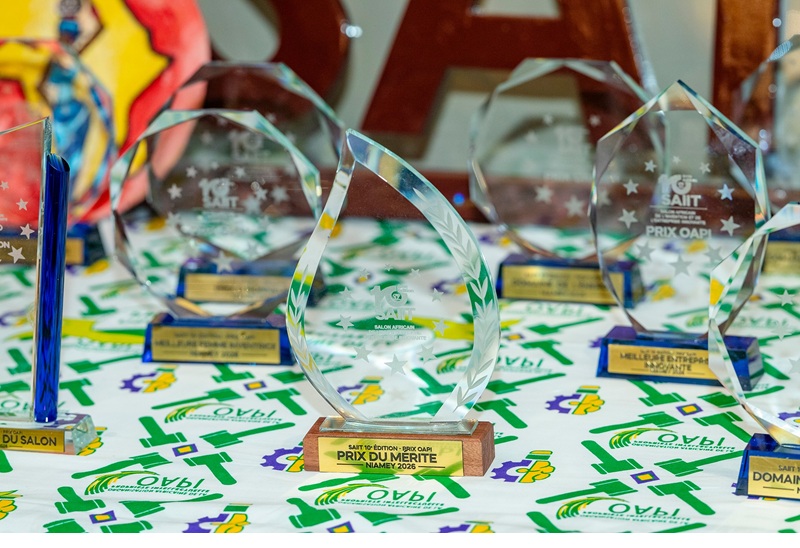
- The Merit Award was given to Hassane Bissala Yahaya from Niger , who has eight patents to his credit;
- The Prize of Honor was awarded to Algerian Saber Bouhamdoune, distinguished for his personal participation in the Salon as an inventor from a country not a member of OAPI.
An edition marked by a challenge of knowledge in the field of IP
Beyond the inventions showcased and the awards presented, this 10th edition will also be remembered for the introduction of the IP Challenge, won by the Islamic University of Niger. This highly anticipated competition, dedicated to intellectual property, placed knowledge and mastery of the mechanisms for protecting and leveraging creations at the heart of the inter-university competition.
Through this initiative, which challenged the intellectual skills of students from (8) higher and technical schools in Niger, OAPI intends to strengthen the awareness of inventors, researchers and young talents regarding the Organization's core missions, as well as the importance of intellectual property, not only as an instrument of protection, but also as a lever for economic growth.
From invention to funding, filling the missing link
Following the discussions and meetings held on the sidelines of the trade fair, one conviction emerged: Africa is not lacking in talent, ideas, or inventors. The innovations presented in Niamey once again demonstrated the richness of the continent's creative potential.
The real challenge now lies in creating effective bridges between the different players in the innovation ecosystem: connecting inventors to incubators, incubators to banks, banks to investors, and the entire chain to markets capable of absorbing and valuing innovations.
The aim is to reiterate that an innovation only has an impact once it reaches the market. This is the entire objective of the panel on the operationalization of the invention and innovation financing mechanism led by OAPI with the Africa Guarantee Fund (AGF), which aims to support 1,000 innovators in the OAPI region in securing the funding necessary for the growth of their projects.
Beyond the legal protection of creations, the initiative aims to make intellectual property a genuine economic asset capable of reassuring financial players and promoting access to credit, investment and growth opportunities.
Thus, SAIIT 2026 is not limited to celebrating African inventors. It is part of a broader dynamic aimed at supporting innovations from idea to market, by mobilizing intellectual property tools, financing mechanisms and partnerships necessary for the emergence of African innovation champions.
Making innovation a source of wealth for Africa
The closing of the 10thedition of the Salon does not simply mark the end of an exhibition. Above all, it serves as a reminder of the need to support African inventors and entrepreneurs beyond mere awards, enabling their creations to find economic and industrial outlets.
Because behind every award-winning invention lies an opportunity: to improve living conditions, strengthen business competitiveness, create new jobs, or reduce the continent's technological dependence. This is the ambition of SAIIT.